
OG FIT
Operation Gateway’s Formerly Incarcerated Transition Program
OG FIT Services
-
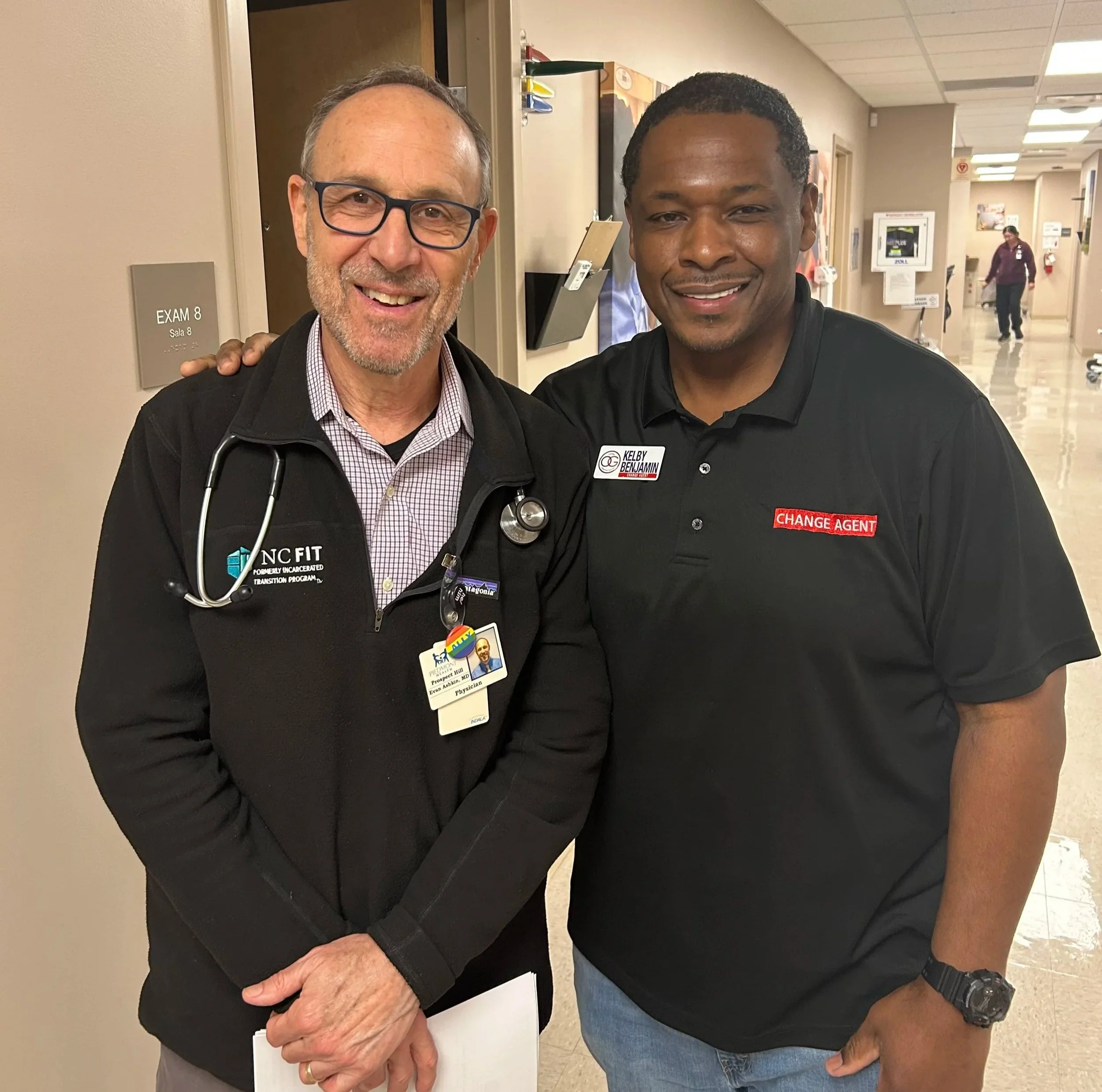
NC FIT (North Carolina Formerly Incarcerated Transition Program) is a reentry health-focused initiative sponsored by UNC Family Medicine that helps people leaving incarceration successfully reconnect with the community by linking them to essential health care and reentry resources. It particularly supports individuals with chronic physical health conditions, mental illness, or substance use disorders, helping them access primary care, behavioral health services, medications, and other social supports during the critical transition period after release. The program is delivered through a network of Community Health Workers (CHWs)—many with lived experience of incarceration—who work with local partners (health centers, public health departments, reentry organizations) to build comprehensive reentry plans and improve continuity of care. Operation Gateway works in tandem with MAHEC, serving as the community-based program partner while MAHEC functions as the medical home, ensuring coordinated care, continuity of services, and successful reentry outcomes through a trauma-informed, peer-supported approach.
-
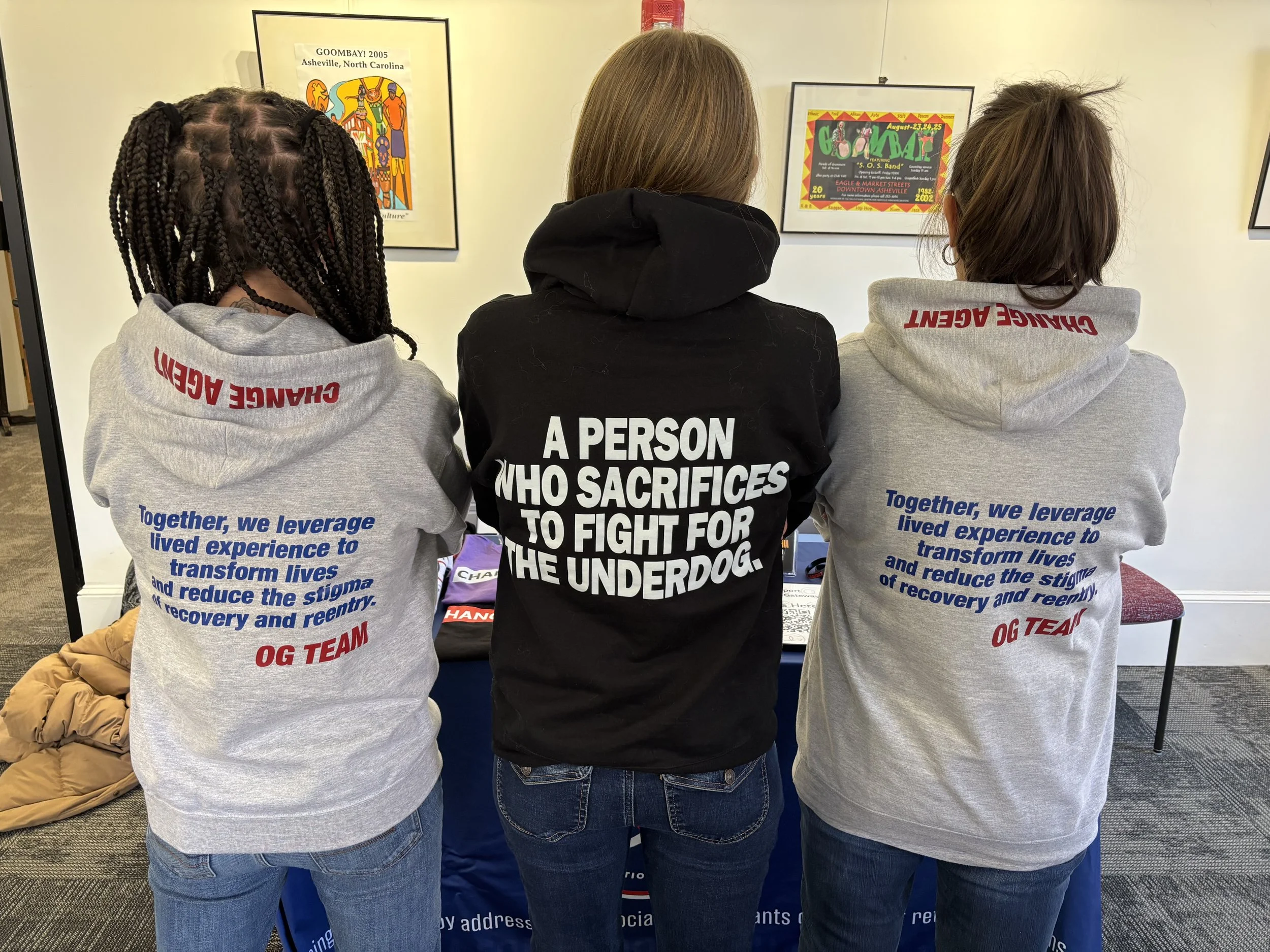
Operation Gateway’s Reentry Program provides comprehensive, wraparound support for individuals returning home from incarceration. Guided by our mission — together, we leverage lived experience to transform lives and reduce the stigma of reentry and recovery — the program connects participants to housing support, employment readiness, healthcare, behavioral health services, and peer support. Through trauma-informed, peer-led case management, participants receive individualized assistance that promotes stability, dignity, and long-term success in the community.
-
Operation Gateway views recovery as a community-centered process built on connection, trust, and shared support. We recognize that lasting recovery is strengthened through meaningful relationships and a sense of belonging. Our approach emphasizes peer support, mutual aid, and community-based engagement, creating spaces where individuals can build healthy networks, access resources, and feel supported in their healing journey. By fostering connection and reducing isolation, we help individuals develop the stability and confidence needed to sustain recovery and successfully reintegrate into their communities.
NC FIT
-
![]()
What is NCFIT?
Returning to the community after prison is a process filled with many challenges. For many formerly incarcerated individuals, this return is made even more difficult by chronic health problems.
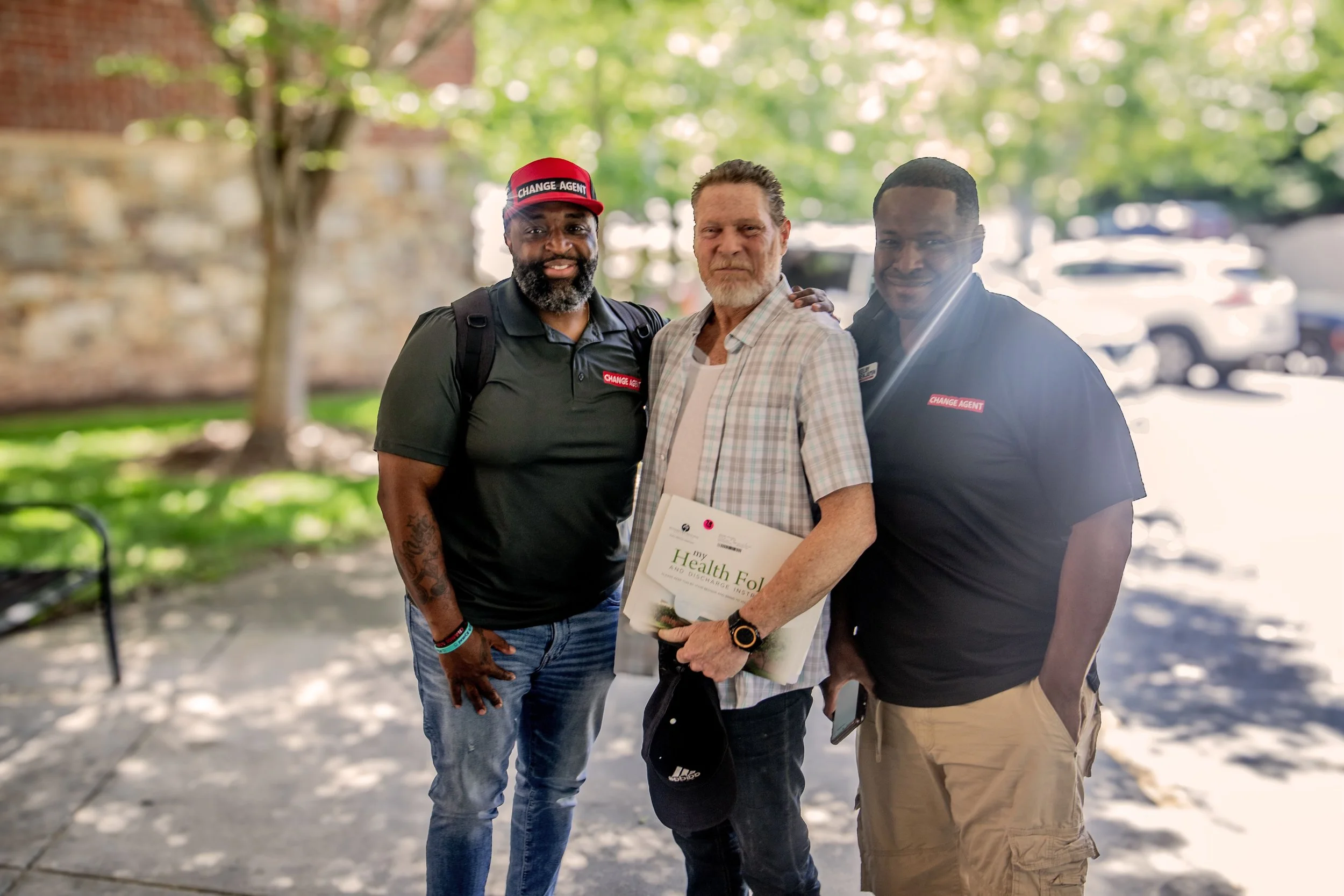
The NC FIT program connects formerly incarcerated individuals who have a chronic disease, mental illness, and/ or substance use disorder with appropriate healthcare services and other reentry resources. NCFIT efforts are orchestrated by Certified Community Health Workers with lived experience.
-
![]()
What is a community Health Worker?
A Community Health Worker is a frontline public health worker who is a trusted member of and / or has an unusually close understanding of the community served. FIT Community Health Workers have a history of incarceration have lived experience in the reentry process. FIT staff are amazing resources for your health care and reentry needs.
-
![]()
Who is Eligible for NC FIT?
The program assists people who suffer from chronic diseases during their reentry process (while still incarcerated, after release, and up to 2 years later).
Chronic Illnesses include (but are not limited to):
- Diabetes - Hypertension (High Blood Pressure)
- Congestive Heart Failure - COPD or Emphysema
- Kidney Failure - Lung Disease
- Mental Illness - Substance Use Disorder
-
![]()
Health and Wellness Services
What services are under NC FIT?
- Primary Care - Dental Care - OB / Gyn Care
- Mental Health and Behavioral Health Services - Substance Use Disorder Treatment
- Medication obtainment and management
- Other resources like nutrition, tobacco cessation, etc.
-
![]()
Covered Costs
For FIT Program Clients without health insurance, FIT covers sliding scale fees at our partner clinic, MAHEC. Additionally FIT covers monthly medication costs up to $150 for both insured and uninsured clients.
Community Health Workers work with clients to apply for health Insurance, Medicaid, and Medicare where applicable.

OG FIT ReENTRY
-
Operation Gateway prioritizes early in-reach—ideally at least 90 days before release—to ensure individuals are not set up to fail the moment they return to the community. Whether through in-person visits, coordination with facility case managers, or secure platforms like the GettingOut app, we work to establish connections before release whenever possible.
As our Executive Director often says, “If you reach them when they are already out, you failed them.” That philosophy drives our approach to early relationship-building, proactive planning, and closing gaps in care before someone walks out the door.
Whenever possible, Operation Gateway also provides gate pickup, meeting members at the moment of release to welcome them home. Gate pickup is more than transportation—it’s a warm, dignified continuation of in-reach that connects members immediately to housing, recovery supports, and next steps, ensuring a safer and more supported transition from incarceration to community.
-
Operation Gateway’s Individualized Reentry Plan is a person-centered, living roadmap developed in partnership with each returning citizen to support successful reentry, recovery, and long-term stability. Plans are grounded in lived experience, trauma-informed care, and the understanding that reentry is not one-size-fits-all.
The process begins before release whenever possible through early in-reach and continues post-release with consistent peer-led support. Each plan is tailored to the individual’s strengths, goals, risks, and immediate needs, and is regularly updated as circumstances change.
Key components of an Individualized Reentry Plan may include:
Housing stability
Identification of safe, recovery-supportive housing options (including Oxford Houses or alternative placements), move-in planning, and connection to longer-term housing pathways.Recovery & behavioral health support
Connection to peer support, recovery coaching, MAT/SUD treatment, mental health services, and community-based recovery networks that align with the individual’s preferences and culture.Healthcare access
Assistance with Medicaid enrollment or reinstatement, primary care linkage, urgent or chronic care coordination, and navigation of local healthcare systems.Employment & workforce access
Job readiness planning, résumé support, transportation planning for work, employer referrals, and coordination with workforce and education partners.Legal & documentation needs
Support with identification, driver’s license restoration planning, court obligations, fines and fees navigation, and referrals to legal aid when appropriate.Transportation & mobility planning
Bus passes, route planning, ride coordination, and long-term mobility strategies to reduce barriers to employment and appointments.Family & community reintegration
Support for reconnecting with family, building healthy social networks, and strengthening community capital that supports sustained recovery.
Each Individualized Reentry Plan is peer-driven and accountability-focused, with clear short-term priorities (first 24–72 hours), mid-term goals (30–90 days), and long-term stabilization benchmarks. Progress is tracked through regular check-ins, and plans are adjusted in real time to reflect setbacks, achievements, and evolving needs.
At its core, Operation Gateway’s reentry planning philosophy is simple but powerful:
people succeed when they leave incarceration with a plan, trusted relationships, and immediate access to support — not a list of phone numbers and crossed fingers. -
Addressing Social Determinants of Health
Operation Gateway’s reentry navigation begins the moment an individual returns to the community and is intentionally designed to address the Social Determinants of Health (SDOH) that most directly impact successful reentry, recovery, and long-term stability. This work is peer-led, relationship-driven, and action-oriented, ensuring individuals are supported in navigating the structural barriers that often follow incarceration.
Whenever possible, Operation Gateway provides gate pickup, meeting individuals at release and immediately activating their Individualized reentry plan. Navigators focus first on stabilizing the conditions that most influence health and safety—housing, food, transportation, communication, and access to care—so individuals are not forced into crisis-driven decision-making.
Post-release reentry navigation includes:
Immediate stabilization (first 24–72 hours)
Addressing urgent SDOH needs such as housing placement, food access, clothing, communication (cell phone access), transportation, and connection to peer support or recovery meetings.Vital records & identification obtainment
Support securing birth certificates, Social Security cards, and state-issued IDs—foundational SDOH barriers that affect access to housing, employment, healthcare, benefits, and driver’s license restoration.Ongoing peer navigation & systems advocacy
Regular, trust-based engagement with a reentry navigator who uses lived experience to help individuals navigate complex systems, reduce administrative barriers, and advocate across health, housing, and justice sectors.Healthcare & benefits access
Navigation of Medicaid activation or reinstatement, linkage to primary care, behavioral health and SUD treatment (including MAT), and follow-through on medical and care plans.Recovery, social connection & community capital
Connection to peer support, recovery coaching, mutual aid, and culturally responsive community networks that strengthen social support, belonging, and long-term recovery capital.Employment, education & economic stability
Workforce access support including job readiness, employer referrals, education or training pathways, and transportation planning—addressing income stability as a core health determinant.Legal, mobility & justice-system navigation
Assistance navigating court obligations, fines and fees, probation/parole requirements, driver’s license restoration planning, and referrals to legal aid when needed.Transportation & access to services
Bus passes, route planning, ride coordination, and long-term mobility strategies to support access to employment, healthcare, and required appointments.
Reentry navigation is not time-limited or checklist-based. Support scales with need and evolves as stability increases. Progress is tracked through regular check-ins, and plans are adjusted in real time to address emerging SDOH-related barriers before they escalate.
Operation Gateway’s model recognizes that reentry is a public health issue. By addressing Social Determinants of Health alongside justice involvement—and pairing practical navigation with trusted peer relationships—Operation Gateway helps individuals move from survival to stability, improving outcomes for individuals, families, and communities.